

Hair fall is a common concern affecting both men and women. Excessive hair shedding, thinning hair, a receding hairline, or visible bald patches can affect a person’s confidence and quality of life. Although losing some hair every day is normal, persistent or excessive hair loss may indicate an underlying medical condition that requires attention.
If you are searching for Hair Fall Treatment in Bhopal, understanding the cause of hair loss is the first step toward selecting an appropriate treatment. Hair fall can develop due to genetics, hormonal changes, nutritional deficiencies, stress, thyroid disorders, scalp infections, certain medications, or recent illness. Since these causes require different approaches, the same treatment may not work for everyone.
A qualified dermatologist can examine the scalp, assess the pattern of hair loss, review medical history, and recommend suitable treatment options. Depending on the diagnosis, treatment may include medication, scalp care, correction of confirmed nutritional deficiencies, or selected procedures such as platelet-rich plasma (PRP) therapy.
Dr. Shikha Shivhare is a dermatologist practicing in Bhopal. Her stated qualifications include MBBS from S.N.M.C., Agra, and MD in Dermatology from B.R.D. Medical College, Gorakhpur. Patients experiencing persistent hair loss can seek professional evaluation to understand possible causes and available treatment options.
What Is Hair Fall Treatment in Bhopal?
Hair Fall Treatment in Bhopal involves identifying the reason for excessive hair shedding or thinning and selecting an appropriate management plan. Hair loss may be temporary, progressive, hereditary, or associated with a scalp disorder.
A dermatologist may evaluate whether the hair loss is related to a condition such as androgenetic alopecia, telogen effluvium, alopecia areata, a nutritional deficiency, or an inflammatory scalp condition.
Treatment may involve:
- Medical evaluation of hair loss
- Scalp examination
- Prescription medicines when indicated
- Treatment of dandruff or scalp inflammation
- Investigations for possible nutritional or hormonal problems
- Guidance on hair-care practices
- PRP therapy for selected patients
- Follow-up to assess treatment response
The choice of treatment depends on the diagnosis, duration of hair loss, medical history, and the condition of the hair follicles.

Meet Dr. Shikha Shivhare – Dermatologist in Bhopal
Dr. Shikha Shivhare is a dermatologist practicing in Bhopal, with stated qualifications in MBBS and MD Dermatology. Her educational background includes S.N.M.C., Agra, and B.R.D. Medical College, Gorakhpur.
Her professional experience includes work in government and private medical settings. Her dermatological practice covers concerns involving the skin, hair, scalp, and nails.
Patients searching for a Hair Specialist in Bhopal can consult a dermatologist to evaluate excessive shedding, thinning hair, scalp irritation, dandruff, and different patterns of hair loss.
A proper consultation helps determine whether the problem requires medication, further investigations, lifestyle adjustments, or a procedure. Early assessment can also help identify conditions that may cause progressive or permanent hair loss if left untreated.
Why Does Hair Fall Occur?
Hair grows through a natural cycle consisting of growth, transition, and resting phases. Some shedding is expected as part of this cycle. However, changes in the cycle, damage to hair follicles, or certain medical conditions can increase hair loss.
Common causes include:
- Hereditary hair loss
- Physical or emotional stress
- Nutritional deficiencies
- Hormonal changes
- Thyroid disorders
- Recent fever or illness
- Certain medicines
- Scalp infections
- Inflammatory scalp conditions
- Tight hairstyles and repeated hair damage
A Hair Fall Doctor in Bhopal can assess the pattern and timing of hair loss to help distinguish temporary shedding from progressive hair thinning.
Common Types of Hair Loss
1. Androgenetic Alopecia
Androgenetic alopecia is a common hereditary form of hair loss that affects both men and women. In men, it may cause a receding hairline or thinning at the crown. In women, it often appears as gradual thinning over the top of the scalp. The condition is associated with genetic susceptibility and the effects of hormones on susceptible hair follicles.
Treatment may include medicines such as topical minoxidil or other prescription options when appropriate. The choice depends on the patient’s sex, medical history, reproductive considerations, and individual needs. A dermatologist can explain the expected benefits, limitations, and possible side effects of available treatments.
2. Telogen Effluvium
Telogen effluvium is a form of temporary hair shedding that can occur after physical or emotional stress. Possible triggers include significant illness, surgery, childbirth, rapid weight loss, nutritional deficiencies, and certain medication changes. Hair shedding often becomes noticeable several weeks to a few months after the triggering event.
Management involves identifying and addressing the underlying cause. Hair density may gradually improve after the trigger is corrected, although recovery can take several months. Persistent shedding should be evaluated rather than automatically attributed to stress.
3. Alopecia Areata
Alopecia areata is an immune-mediated condition that can cause sudden, patchy hair loss. It may affect the scalp, eyebrows, beard, or other hair-bearing areas. The pattern and severity vary between individuals. Some people develop small patches, while others experience more extensive hair loss. Treatment depends on the extent of involvement and may include prescribed topical or injectable medicines and other specialist-directed therapies.Sudden patchy hair loss should be assessed by a dermatologist to establish the diagnosis and discuss suitable options.
4. Hair Loss Due to Nutritional Deficiencies
Insufficient intake or absorption of certain nutrients may contribute to hair shedding. Iron deficiency and inadequate protein intake are among the possible factors, while other nutritional problems may also be relevant in selected cases. However, supplements are not necessary for everyone experiencing hair loss.
A Hair Fall Specialist in Bhopal may recommend blood tests based on symptoms, dietary history, examination findings, and relevant medical conditions. Supplements should be used when there is a demonstrated need or a clear medical indication. Taking excessive amounts of certain vitamins or minerals can be harmful and may sometimes worsen hair loss.
5. Hair Loss Associated With Scalp Conditions
Dandruff, inflammatory scalp disorders, and certain infections can cause itching, scaling, irritation, or hair breakage. Some inflammatory conditions can damage hair follicles and lead to permanent hair loss if not treated promptly.
Symptoms may include redness, persistent scaling, tenderness, broken hairs, or patches of reduced hair density.
A dermatologist can examine the scalp and recommend appropriate treatment. Suspected fungal infections may require additional testing before treatment begins.
Symptoms That Indicate a Need for Hair Fall Treatment
Hair loss may develop gradually or suddenly. Recognizing changes early can help determine when medical assessment is needed.
Common signs include:
- Increased hair shedding while bathing or combing
- Noticeable thinning over the scalp
- A widening hair part
- A receding hairline
- Reduced hair density at the crown
- Sudden bald patches
- Persistent scalp itching or scaling
- Hair breakage and changes in hair texture
- Loss of eyebrow or beard hair
If hair loss is accompanied by scalp pain, redness, scarring, or rapidly expanding bald patches, prompt dermatological assessment is important.
How Is Hair Fall Diagnosed?
Effective treatment begins with identifying the cause of hair loss. A dermatologist generally considers several factors rather than recommending a procedure immediately.
Medical History
The doctor may ask about the duration of hair loss, family history, recent illnesses, stress, dietary changes, medicines, hormonal changes, and previous treatments.
Scalp Examination
The scalp and hair pattern are examined for thinning, broken hairs, inflammation, scaling, or bald patches. A hair-pull test or dermoscopic examination may be used when appropriate.
Blood Tests
Blood investigations are not required for every patient. Depending on the history and examination, a dermatologist may recommend tests for iron deficiency, thyroid dysfunction, or other suspected medical causes.
Further Investigations
In selected cases, additional testing or a scalp biopsy may be required, particularly when the diagnosis is uncertain or a scarring hair-loss disorder is suspected.
A clear diagnosis helps guide Hair Fall Treatment in Bhopal and reduces the risk of unnecessary medicines, supplements, or procedures.
Medical Hair Fall Treatment in Bhopal
Medical treatment depends on the underlying cause, severity, and pattern of hair loss. A dermatologist may recommend one or more of the following options.
1. Topical Medicines
Topical minoxidil is used for certain forms of hereditary hair loss. It may help improve hair density in suitable patients, but results generally require consistent use over several months.
Temporary increased shedding may occur when treatment begins. Some people experience scalp irritation or other side effects.
A dermatologist can advise whether minoxidil is appropriate and explain how to use it safely.
2. Prescription Medicines
Certain oral or topical prescription medicines may be considered for specific types of hair loss. Their suitability depends on the diagnosis, sex, medical history, other medications, and potential risks.
Some treatments are unsuitable during pregnancy or when pregnancy is being planned. Medicines should not be started, stopped, or combined without appropriate medical advice.
3. Treatment of Underlying Conditions
When hair loss is associated with a thyroid disorder, iron deficiency, scalp inflammation, or another medical condition, treatment should address that problem.
Correcting the underlying cause may reduce shedding, although the degree and timing of recovery vary.
4. Scalp Treatment
People with dandruff, dermatitis, or scalp infections may require targeted treatment. Depending on the diagnosis, this may include medicated shampoos or prescription medicines.
Ordinary cosmetic shampoos can help maintain hair cleanliness, but they cannot treat every cause of hair loss.
PRP Hair Treatment in Bhopal
Platelet-rich plasma, commonly called PRP, is a procedure in which a sample of the patient’s blood is processed to obtain plasma containing a concentrated amount of platelets. The preparation is then injected into selected areas of the scalp.
PRP is used in some cases of hair thinning, particularly selected patients with androgenetic alopecia. However, the evidence for its effectiveness varies, and it is not appropriate for every type of hair loss.
Before considering PRP Hair Treatment in Bhopal, a dermatologist should assess the cause of hair loss, the condition of the hair follicles, medical history, and treatment expectations.
Important considerations include:
- The likely benefit for the diagnosed condition
- The number and spacing of sessions
- Procedure-related discomfort and possible side effects
- The need for maintenance sessions
- The possibility of limited or absent improvement
PRP does not guarantee hair regrowth, and it should not replace appropriate medical treatment when an underlying condition requires management.
Hair Fall Treatment for Men
Men may experience hereditary hair loss, receding hairlines, thinning at the crown, patchy hair loss, or shedding associated with illness and scalp conditions. The appropriate treatment depends on the pattern and cause. For hereditary hair loss, a dermatologist may discuss topical minoxidil and selected prescription medicines where appropriate. Patients should seek evaluation if hair thinning progresses quickly, develops in unusual patches, or occurs with itching, inflammation, or scalp discomfort. Early assessment may help identify treatment options before substantial follicular miniaturization occurs.
Hair Fall Treatment for Women
Hair loss in women can be associated with hereditary factors, childbirth, iron deficiency, thyroid disorders, hormonal changes, restrictive diets, or certain medical conditions. Women may notice a widening hair part, diffuse thinning, or increased shedding during brushing and washing.
A dermatologist may review menstrual and reproductive history when relevant, dietary patterns, medications, and other symptoms. Investigations are selected according to the suspected cause. Treatment may include correction of confirmed deficiencies, appropriate medicines, and management of associated scalp or hormonal conditions. Women who are pregnant, breastfeeding, or planning pregnancy should discuss treatment safety with their doctor before using hair-loss medicines.
Hair Fall Treatment After Stress or Illness
Significant stress, fever, surgery, and other illnesses can disrupt the normal hair-growth cycle. Increased shedding may appear weeks or months after the triggering event. In many cases of telogen effluvium, hair growth gradually improves after the underlying trigger resolves. However, persistent shedding may indicate another contributing factor.
Adequate nutrition, sufficient protein intake, appropriate sleep, and management of relevant medical conditions can support general health. These measures do not replace an evaluation when hair loss is prolonged or severe. A dermatologist can determine whether additional treatment or testing is necessary.
Hair Care Tips to Reduce Hair Damage
Daily hair-care habits can help reduce breakage and protect the hair shaft. However, they cannot prevent every form of medical or hereditary hair loss.
Useful practices include:
- Use a gentle shampoo suitable for your scalp.
- Avoid excessively tight hairstyles.
- Limit frequent high-heat styling.
- Handle wet hair gently.
- Avoid harsh chemical treatments when hair is fragile.
- Maintain a balanced diet with adequate protein.
- Avoid crash diets and rapid weight-loss practices.
- Use supplements only when medically indicated.
- Seek advice for persistent dandruff or scalp irritation.
Oiling or changing shampoos alone may not resolve hair loss caused by genetics, hormonal conditions, or nutritional deficiencies.
How Long Does Hair Fall Treatment Take?
The timeline depends on the cause of hair loss and the selected treatment. Some forms of temporary shedding improve after the triggering factor is corrected, while hereditary hair loss generally requires ongoing management.
Many medical treatments need several months before improvement can be assessed. Hair grows gradually, so changes in density may take time to become noticeable. Follow-up appointments allow the dermatologist to evaluate treatment response, check for side effects, and make adjustments when necessary. Patients should be cautious about products that promise immediate or guaranteed hair regrowth.
Why Choose a Qualified Hair Specialist in Bhopal?
Choosing a qualified dermatologist is important because several conditions can cause similar hair-loss symptoms.
When selecting a Hair Specialist in Bhopal, consider:
- Recognized medical qualifications
- Experience in evaluating different types of hair loss
- A detailed scalp and hair examination
- Appropriate investigations when necessary
- Clear explanations of treatment options
- Discussion of potential side effects and limitations
- Follow-up care to monitor progress
A suitable treatment plan should be based on the diagnosis rather than the assumption that every patient needs PRP, supplements, or a particular hair-growth product.
Dr. Shikha Shivhare – Hair and Scalp Consultation in Bhopal
Dr. Shikha Shivhare is a dermatologist whose stated qualifications include MBBS and MD Dermatology. Patients experiencing persistent hair shedding, thinning, dandruff, or other scalp concerns can seek dermatological assessment.
A consultation can help establish the likely cause of hair loss and determine whether medication, further investigations, scalp treatment, or selected procedures may be suitable.
Before choosing a specific service, patients should confirm the clinic’s current treatment availability, procedure details, and appointment schedule directly with the clinic.
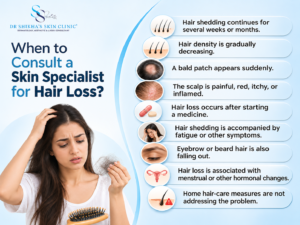
When Should You Consult a Hair Fall Doctor in Bhopal?
Consider consulting a dermatologist if:
- Hair shedding continues for several weeks or months.
- Hair density is gradually decreasing.
- A bald patch appears suddenly.
- The scalp is painful, red, itchy, or inflamed.
- Hair loss occurs after starting a medicine.
- Hair shedding is accompanied by fatigue or other symptoms.
- Eyebrow or beard hair is also falling out.
- Hair loss is associated with menstrual or other hormonal changes.
- Home hair-care measures are not addressing the problem.
Sudden hair loss, signs of scarring, or rapidly worsening scalp inflammation should be assessed promptly.
Benefits of Professional Hair Fall Treatment in Bhopal
Professional evaluation may help patients:
- Identify the underlying cause of hair loss
- Distinguish temporary shedding from hereditary thinning
- Detect treatable medical or nutritional problems
- Select suitable medicines or procedures
- Avoid unnecessary supplements and unproven products
- Receive guidance on scalp health and hair care
- Monitor treatment response over time
The most appropriate treatment depends on the diagnosis, and improvement cannot be guaranteed in every case.
Hair fall can result from genetic factors, hormonal changes, nutritional deficiencies, stress, illness, medication use, or scalp disorders. Because these causes require different approaches, identifying the underlying problem is essential before selecting a treatment.
Hair Fall Treatment in Bhopal may involve medical evaluation, prescription medicines, treatment of scalp conditions, correction of confirmed deficiencies, or selected procedures such as PRP.
Dr. Shikha Shivhare is a dermatologist practicing in Bhopal with stated qualifications in MBBS and MD Dermatology. Patients can seek consultation to understand their hair-loss pattern, possible causes, and appropriate treatment options.
Early assessment, realistic expectations, and consistent follow-up can help patients make informed decisions about hair health.
FAQs – Hair Fall Treatment in Bhopal
1. What causes excessive hair fall?
Excessive hair fall may result from hereditary hair loss, stress, illness, nutritional deficiencies, thyroid disorders, hormonal changes, medications, or scalp conditions.
2. Who should I consult for Hair Fall Treatment in Bhopal?
A qualified dermatologist can assess the scalp, identify possible causes of hair loss, and recommend an appropriate treatment plan.
3. Can hair fall be treated permanently?
The outcome depends on the cause. Some temporary forms of hair shedding can improve after the trigger is corrected, while hereditary hair loss usually requires ongoing management.
4. Is PRP effective for hair loss?
PRP may help selected patients with certain types of hair thinning, but results vary. A dermatologist should assess suitability and explain the evidence, limitations, and possible risks.
5. How long does hair fall treatment take to work?
Many treatments require several months before improvement can be assessed. The timeline depends on the diagnosis, treatment, and individual response.
6. Can nutritional deficiencies cause hair loss?
Yes. Certain deficiencies, including iron deficiency, may contribute to hair shedding. Testing and supplementation should be based on medical assessment rather than guesswork.
7. Can women receive hair fall treatment?
Yes. Treatment for women depends on the cause and may include medicines, correction of confirmed deficiencies, and management of underlying medical conditions.
8. Does dandruff cause hair fall?
Dandruff can cause itching and irritation, and scratching may contribute to hair breakage. Persistent scalp inflammation or another scalp disorder may also require treatment.
9. Is hair oil enough to stop hair fall?
No. Hair oil may help with hair-shaft lubrication or dryness, but it does not treat every cause of hair loss, particularly hereditary or medical conditions.
10. When should I worry about hair loss?
Sudden bald patches, rapid thinning, scalp pain, inflammation, or hair loss accompanied by other concerning symptoms should be assessed by a dermatologist.
11. Can hair grow back after excessive shedding?
Regrowth is possible in many cases of temporary shedding once the underlying cause resolves. Recovery depends on the condition and whether the hair follicles remain capable of producing hair.
12. What should I expect during a hair-loss consultation?
The dermatologist may review your medical history, examine your scalp, assess the pattern of hair loss, and recommend investigations or treatment depending on the findings.
Conclusion – Hair Fall Treatment in Bhopal
Hair loss can be distressing, but the appropriate approach begins with understanding its cause. Whether hair shedding is related to genetics, stress, nutritional deficiencies, hormonal changes, or a scalp condition, professional assessment can help identify suitable treatment options. For people searching for Hair Fall Treatment in Bhopal, consulting a qualified dermatologist can provide guidance on diagnosis, medication, scalp care, and selected procedures such as PRP when appropriate.
Dr. Shikha Shivhare’s dermatological practice offers consultation for skin and hair concerns. Patients should discuss their symptoms, medical history, treatment expectations, and potential risks before starting any hair-loss treatment. Consistent follow-up and a diagnosis-based approach are important for managing hair loss and supporting long-term scalp health.